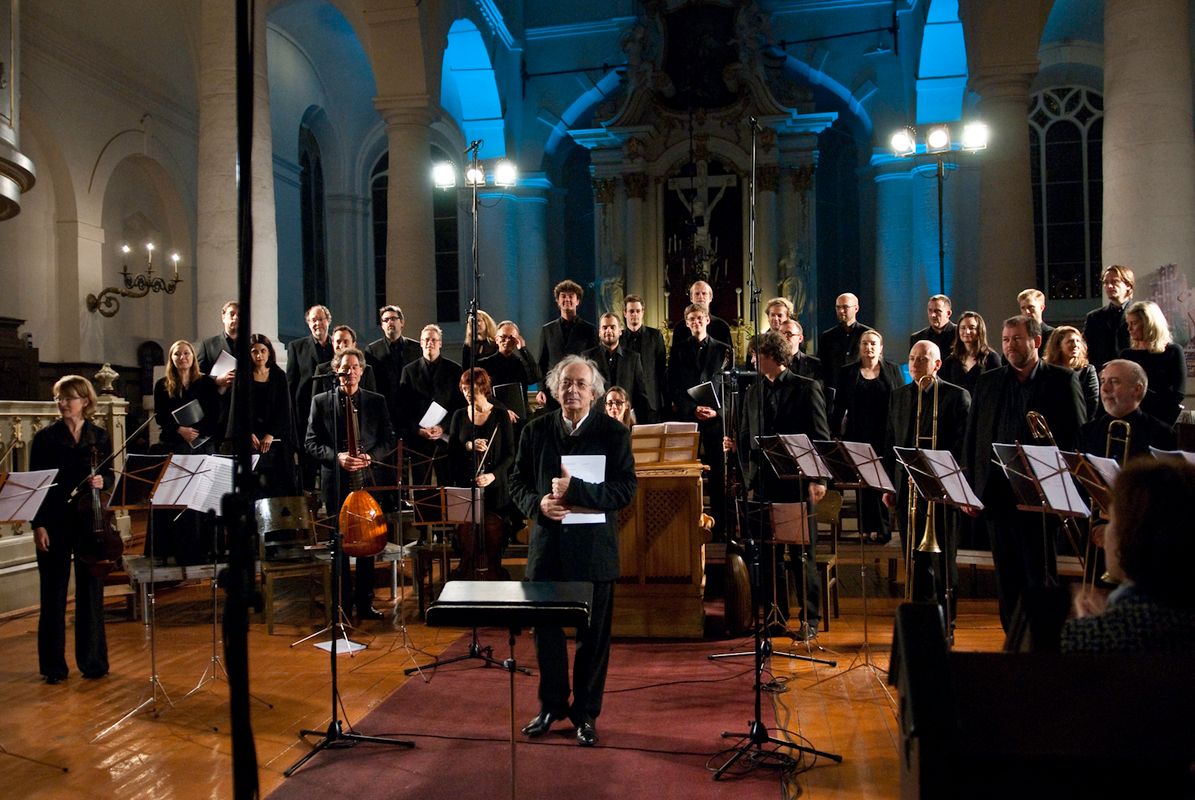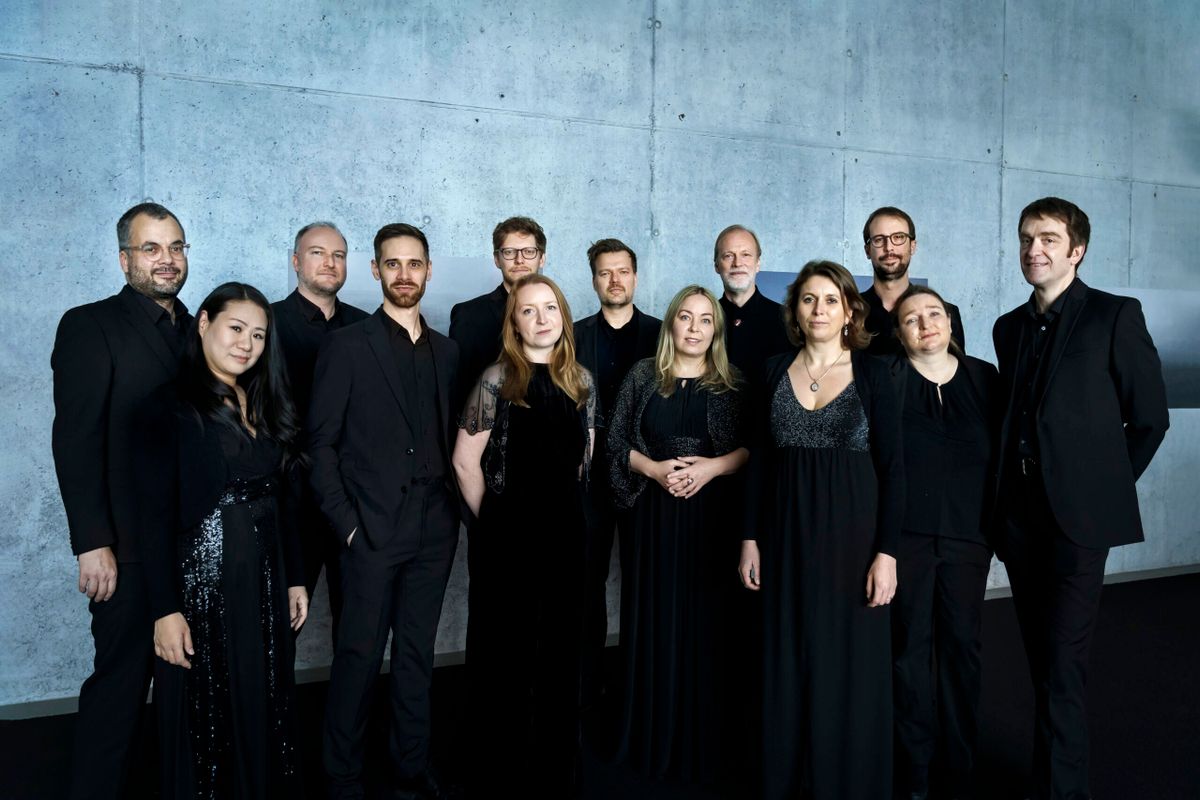

Collegium Vocale Gent (photo Agnese Gulbe)

A ladder to paradise

Collegium Vocale Gent + lecture by Saskia Törnqvist
Sat 9 May 2026 20:15 - 22:00
Sat 9 May 2026
20:15 - 22:00
  • Sat 9 May 2026
    20:15 - 22:00
    Grote Zaal

Program

19.00 / Early Music lecture (Dutch spoken)
Rivalry and sophistication in the Italian madrigal by Saskia Törnqvist

20.15 / Main programme
Lodovico Agostini Le lagrime del peccatore / Il nuovo echo 
Cipriano de Rore Hor che’l il ciel e la terra
Giaches de Wert Padre del ciel, dopo i perduti giorni
Luzzasco Luzzaschi Primo di libro di ricercari / Madrigali à 1,2 e 3 voci / Sacrarum Cantionum 
Carlo Gesualdo Sacrae Cantiones liber primus 

Credits

Collegium Vocale Gent
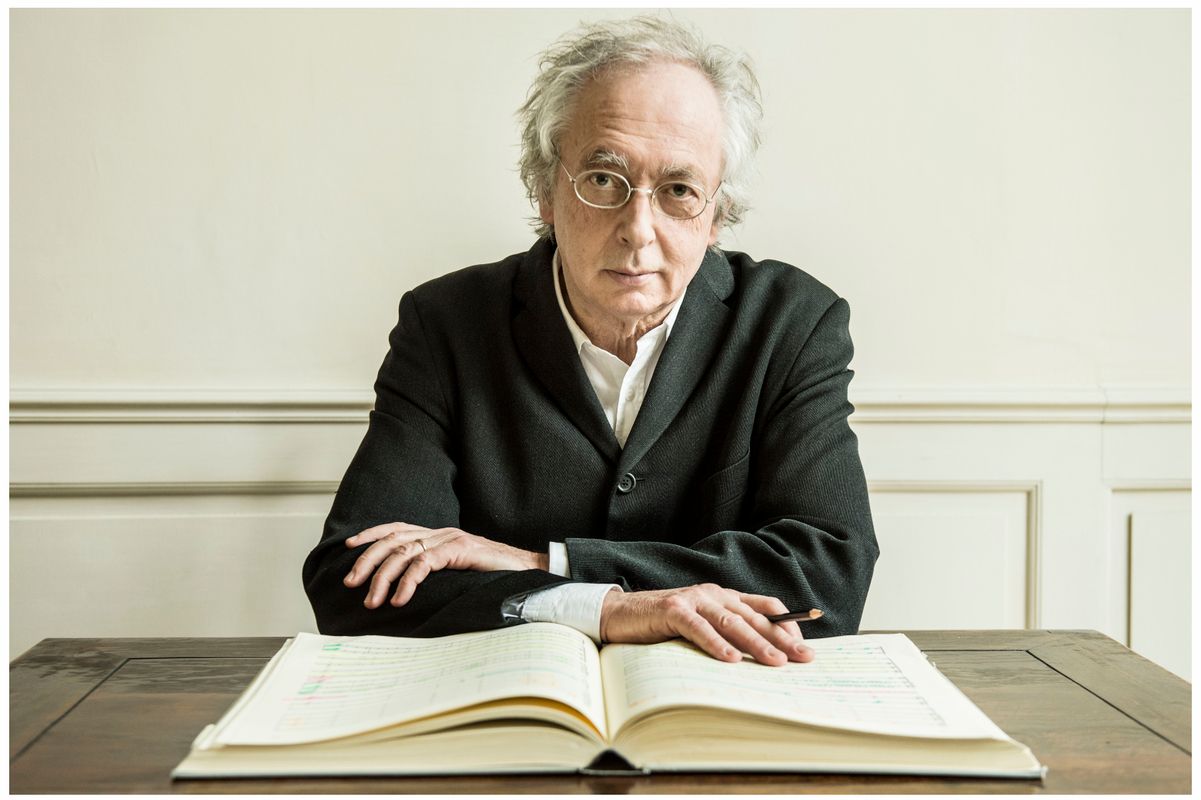
Philippe Herreweghe conductor
Repentance and divine grace

In 1586, less than a year before his death, Vincente I Gonzaga, the Duke of Mantua, received something special. His music teacher Agostini had composed a work for him, Le lagrime del peccatore. Set to deeply personal texts, revealing much about Gonzaga as an individual, the work explored the need for repentance and divine grace to attain paradise. Gonzaga had them performed in his private chapel. Flanked by four of his contemporaries, Collegium Vocale Gent presents this exceptional music.

Warm and light in tone, that’s how the performances of early music ensemble Collegium Vocale Gent are praised. Founded in 1970 by their conductor Philippe Herreweghe, they gained renown with works by Monteverdi and Gesualdo. Gesualdo’s compositions are also on the music stand today. This tormented artist occupies a special place in a programme that takes the listener on a spiritual journey of the soul.

7 p.m. / Early Music lecture (Dutch spoken) by Saskia Törnqvist
Rivalry and sophistication in the Italian madrigal
The 16th-century madrigal culture flourished at various courts in northern Italy where humanist ideas were rampant. Ferrara, with the House of Este, and Mantua, with the House of Gonzaga, were important epicentres for madrigal composers, partly because of the sensational quality of the singers. Both courts kept a keen eye on each other, constantly trying to outdo one another. Not just with new musical experiments but also with innovations in other art forms. This lecture draws parallels between the exquisite madrigal culture of Ferrara and Mantua and the stylistic figures in poetry and the visual arts.

Put me on the waiting list

Wish list

Added:

To wishlist